
 By
By 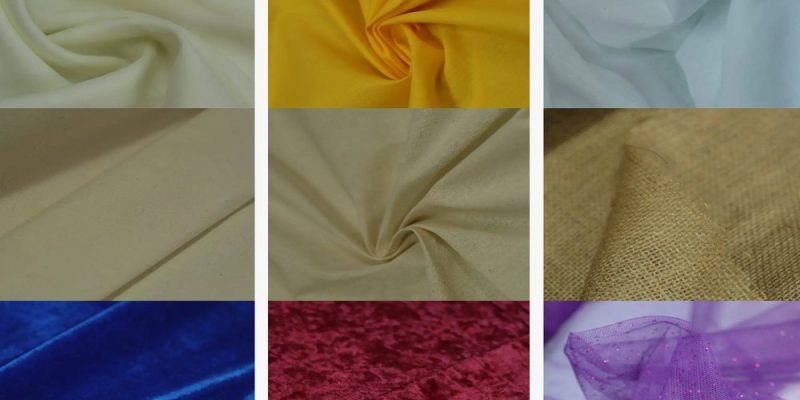
Whether you are commissioning a bespoke dress, designing a corporate uniform, or tailoring a classic suit, one of the most crucial decisions lies in choosing the right fabric. The material you select influences not only the overall appearance of a garment but also how it drapes, breathes, and withstands wear over time. Finding the perfect textile can make all the difference between a good piece and an exceptional one, and a well-stocked fabric shop in Singapore offers endless possibilities for both hobbyists and professional tailors. This guide will walk you through the importance of fabric selection, the best materials for different types of garments, and how to source the finest textiles locally. We will also explore care and maintenance tips to ensure your garments remain beautiful for years. Whether you are a seamstress, designer, or someone planning to tailor custom-made clothing, this article will help you make informed textile decisions for any project.
The Importance of Fabric Selection
Fabric selection is the foundation of garment construction. A well-designed piece can fall flat if the fabric is unsuitable, while a simple pattern can shine when the right textile is used. When choosing fabrics, consider factors such as texture, thickness, durability, breathability, and how consistently the fabric holds its shape. Singapore’s tropical climate also means lightweight, breathable materials are often preferred for comfort.
Beyond aesthetics, fabric choice can affect tailoring outcomes. For instance, heavy wool may be perfect for a structured suit but unsuitable for a flowy dress. Silk adds luxury but may require skilled handling. Cotton offers everyday comfort but varies in quality. Understanding these characteristics ensures your garment is not only stylish but also practical, comfortable, and long-lasting.
When visiting a wholesale fabric supplier in Singapore, you’ll notice the sheer variety of choices. From natural fibres such as cotton, silk, and linen to synthetic blends like polyester and spandex, each serves a unique purpose. Taking time to feel the fabric, understand its weave, and assess stretchability can help you choose a material that suits the intended design perfectly.
Best Fabrics for Different Tailoring Purposes
Different garments require different textiles. Looking to get your clothes sewn by a tailor? Fabric materials in Singapore are varied, so here’s a guide to help you choose wisely based on what you plan to tailor:
1. Fabrics for Suits
Suits require materials that drape well, hold structure, and exude sophistication. Popular choices include:
- Wool and Wool Blends: Ideal for formal suits. They offer breathability and durability while maintaining a polished look.
- Tweed and Cashmere: Luxurious choices for cooler seasons or special occasions.
- Polyester and Viscose Blends: More affordable alternatives that are wrinkle-resistant and easy to maintain.
For a sleek business suit or bridal tuxedo, opt for finely woven wool with a slight sheen. Tailors often recommend testing stretch and fold retention to ensure your chosen textile suits structured tailoring.
2. Fabrics for Dresses
Dresses come in many styles – casual, evening, cocktail, or bridal – so the fabric, such as high-quality cotton and silk fabrics, must align with purpose and silhouette.
- Cotton: Comfortable for casual wear, breathable for daily dresses.
- Silk and Satin: Perfect for evening gowns, cheongsams, or bridal wear with a graceful flow.
- Chiffon and Organza: Light and airy, great for layered or pleated dresses.
- Lace: Adds femininity and texture, commonly used in wedding and party dresses.
If your dress design involves movement or layering, lightweight fabrics work best. For figure-enhancing designs, choose fabrics with slight elasticity.
3. Fabrics for Uniforms
Uniforms require durability, comfort, and easy care.
- Poly-cotton blends: Strong, breathable, easy to wash – common for hospitality and corporate uniforms.
- Twill and Drill Fabric: Heavy-duty and ideal for industrial or outdoor uniforms.
- Spandex Blends: Suitable for sports uniforms to allow free movement.
Choosing stain-resistant and high-durability fabrics is essential for uniforms that endure daily wear.
4. Fabrics for Cheongsams and Traditional Wear
The cheongsam is admired for its elegance and body-contouring style. Material selection plays a vital role:
- Brocade and Jacquard: Rich patterns and sheen make them ideal for festive cheongsams.
- Silk: A timeless choice for luxury, comfort, and fluid movement.
- Satin and Lace Overlays: Modern twists for contemporary designs.
Cheongsams require fabrics that hold structure while offering comfort around the body. Slightly firm textiles maintain silhouette beautifully.
Where to Source Tailoring Materials Locally
Singapore offers a vibrant textile landscape with numerous shops catering to home sewers, tailors, and designers. Many boutiques carry everything from linens and cotton to imported silks and custom-woven fabrics. For those seeking convenience, there are also online fabric stores in Singapore, though shopping in person lets you feel the texture and assess fabric weight firsthand.
Care and Maintenance Tips for Long-Lasting Garments
Purchasing quality fabric is an investment, and caring for it correctly ensures longevity and appearance retention. Here are essential tips to maintain your tailored pieces:
- Check Washing Instructions First: Some fabrics like silk and wool require dry cleaning, while cotton and polyester blends may be machine washable.
- Use Mild Detergents: Harsh chemicals can fade colours and weaken fibres over time.
- Wash in Cold Water: This prevents shrinking and helps preserve fabric structure.
- Iron at the Right Temperature: Silk and delicate materials need low heat, while cotton can tolerate higher settings. Use a pressing cloth when necessary.
- Store Garments Properly: Hang structured pieces like suits and cheongsams on padded hangers. Fold knits and delicate fabrics to prevent stretching.
- Avoid Prolonged Sunlight Exposure: UV rays can fade vibrant colours, particularly in printed fabrics.
A little care goes a long way, as proper maintenance ensures your tailored creations remain crisp, vibrant, and stunning for years.
Shop at Teng Joo Textiles – A Premium Fabric Supplier in Singapore
Teng Joo Textiles is a premier fabric shop in Singapore, renowned for its wide range of high-quality textiles that cater to both retail customers and businesses. With an extensive selection of materials, we have long served as a reliable textile supplier for fashion designers, tailors, manufacturers, and industries. Our commitment to quality and warm, dependable service stems from years of experience, having been operational since 1966. Over the decades, Teng Joo Textiles has supplied fabrics to the hospitality and healthcare sectors, wedding planners, and even provided special drapes for isolation units during the COVID-19 pandemic. With excellent product knowledge and friendly service, we remain one of Singapore’s most trusted names in fabric sourcing.
If you’re searching for premium textiles for sewing in Singapore, look no further than Teng Joo Textiles. With decades of expertise, an extensive fabric range, and exceptional customer service, we are ready to guide you toward the ideal textile – whether you’re crafting something simple or luxurious. Contact Teng Joo Textiles today to explore beautiful fabrics and bring your creation to life.







Comments