
 By
By 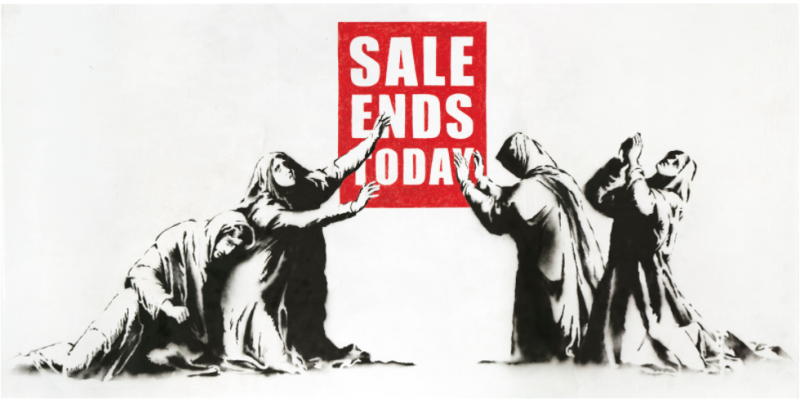
Contemporary art often serves as a powerful mirror reflecting society’s deepest contradictions. Artists have long positioned themselves at the forefront of social discourse, challenging established norms and exposing uncomfortable truths. Their work functions as an early warning system, identifying cultural tensions before they enter mainstream awareness.
This creative examination frequently targets the complex relationship between individuals and the systems that shape modern life. Visual creators and media activists act as society’s critical conscience, questioning narratives promoted by powerful institutions. They highlight the gap between advertised ideals and lived realities.
The art world occupies a unique space where yesterday’s radical voices can become today’s establishment figures. This creates a fascinating paradox that demands careful analysis. Understanding this dynamic is crucial for navigating today’s media-saturated landscape.
As the boundaries between genuine rebellion and commercialised dissent continue to blur, examining visual commentary becomes increasingly important. This analysis provides essential context for understanding how artistic expression interacts with consumer-driven ideologies.
Key Takeaways
- Artistic expression often reveals societal contradictions before they become widely recognised
- Visual creators historically challenge narratives promoted by powerful institutions
- The relationship between radical art and establishment acceptance creates complex dynamics
- Contemporary media landscapes blur distinctions between authentic and commercialised critique
- Understanding visual commentary is essential for navigating modern consumer societies
- Artistic works can function as early indicators of broader cultural shifts
- The examination of visual culture provides insights into public consciousness formation
Overview of Consumer Culture Critique
Today’s marketplace functions through elaborate frameworks that connect purchasing with personal identity. These systems shape how individuals perceive their place in society.
Defining Contemporary Consumer Narratives
Modern commercial narratives present buying as the route to happiness and belonging. Corporations and media institutions craft these stories across multiple channels.
Advertising, entertainment, and social platforms reinforce these messages. They create environments where shopping becomes self-expression.
Identifying Dominant Ideologies
Several key beliefs underpin commercial culture. The idea that identity can be purchased is central to this system.
Newer products often represent progress in this framework. Consumption itself becomes a form of democratic participation.
| Dominant Ideology | Core Message | Impact on Society |
|---|---|---|
| Purchasable Identity | Products define personal worth | Shifts focus from character to possessions |
| Progress Through Consumption | New equals better | Encourages constant upgrading |
| Democratic Shopping | Buying equals voting | Commercialises civic engagement |
These frameworks make consumption patterns seem natural rather than constructed. They extend meaning far beyond simple product promotion.
Critiquing Consumer Culture Hypocrisy Through Provocative Visual Commentary in Today’s Media Landscape
In our current digital ecosystem, critical messages face the paradoxical challenge of gaining visibility while resisting commercial absorption. The same platforms that enable widespread distribution also create mechanisms for neutralising radical content.
Contemporary visual commentators operate in an environment where rebellion has become a marketable aesthetic. Corporate entities frequently appropriate the language of resistance for promotional purposes.
The media landscape has shifted dramatically from centralised broadcasting to distributed networks. This fragmentation allows viral spread but also enables rapid dilution of meaningful commentary.
Modern hypocrisy manifests through corporations promoting social justice while exploiting workers. Sustainability messaging often masks destructive practices, and authenticity itself becomes a marketing category.
These structures both enable and constrain visual discourse. They create opportunities for powerful social critique while developing absorption mechanisms.
Provocative visual commentary remains essential for cutting through digital noise. Using shock, humour, and aesthetic disruption forces audiences to confront contradictions they might otherwise ignore.
This approach challenges dominant narratives in our attention economy. It represents a crucial method for maintaining critical discourse within contemporary media power structures.
Historical Context of Consumer Criticism in Art and Media
Understanding today’s visual dissent requires tracing its roots back through pivotal artistic rebellions. Each era developed unique methods to challenge the dominant narratives of its time. This historical discourse reveals a continuous thread of resistance against commercial structures.
Milestones in Visual Commentary
Several key movements mark the evolution of this critical practice. Their techniques responded directly to the media landscape and power institutions of their day.
- Dadaist Provocations (1910s-1920s): Used absurdity to protest the logic of war and bourgeois culture.
- Situationist International (1950s-1960s): Pioneered détournement, hijacking mainstream images for subversive ends.
- 1960s Counterculture: Poster art merged psychedelic aesthetics with anti-establishment messages.
- Punk Aesthetics (1970s): Employed DIY graphics and aggression to challenge commercial music culture.
- Culture Jamming (1980s): Emerged as a named practice, directly subverting corporate advertising.
This overview shows how radical techniques often get absorbed by the mainstream. This forces constant innovation within subversive artistic discourse across the world.
The Role of Art Activists and Culture Jamming
Art activists operate as crucial disruptors in the media-saturated landscape. They use creative practices to challenge the dominant messages of commercial culture. Their work creates essential spaces for alternative ideas about identity and social organisation.
This form of activism often rejects the separation between art and politics. Practitioners see their work as a direct intervention into public consciousness.
Influential Figures and Movements
The term “culture jamming” was coined by the group Negativland in 1984. Inspired by radio jamming, their practices involved hijacking media tools. They used parody and alteration to subvert commercial messages.
Adbusters magazine became a central node for this movement. It launched anti-consumerist campaigns that reached a global audience. These people demonstrated how corporate power could be challenged creatively.
Groups like The Yes Men took a more theatrical approach. They impersonated corporate representatives to expose unethical practices. Their actions showed how narratives could be hacked from within.
Anonymous artists like Banksy use street art for sharp social commentary. Their work reclaims public spaces for critical discourse. It reminds society that meaning in the world is not fixed.
These diverse strategies highlight the vital role of art activists. They prove that committed people can contest and transform powerful commercial narratives.
Sophisticated Techniques in Culture Jamming Marketing
Sophisticated techniques in culture jamming represent a strategic evolution from simple protest to complex semiotic warfare. Practitioners have developed refined methods that exploit contemporary media systems’ structural characteristics. These approaches require deep understanding of marketing practices and consumer psychology.
The evolution extends beyond basic parody to encompass strategic interventions. Activists now analyse target messages with precision, anticipating corporate responses. They employ aesthetic mimicry to create convincing counter-narratives that disrupt commercial discourse.
Successful interventions demand mastery of media distribution channels and legal boundaries. Culture jammers must understand attention economies and viral distribution mechanisms. Their work functions as a form of strategic communication that challenges dominant narratives.
Four primary techniques demonstrate this sophistication. Spoofing creates parodies that reveal hidden agendas in advertising. Hacking disrupts normal media functioning to insert alternative messages.
Reclaiming uses controlled public spaces for unauthorised expressions. Infiltrating involves entering organisations to challenge their norms from within. These methods represent evolved practices adapting traditional subversion to digital environments.
As corporate marketing becomes more sophisticated, culture jamming techniques must constantly adapt. Companies increasingly appropriate rebellious aesthetics to inoculate brands against criticism. This demands ever more innovative approaches from practitioners engaged in this cultural discourse.
Spoofing as a Tool for Subversion
By hijacking the very language of advertising, spoof campaigns expose corporate contradictions with surgical precision. This technique represents a sophisticated form of cultural intervention that turns marketing’s persuasive power against itself.
Parody in Advertising
Effective spoofing requires deep understanding of advertising conventions. Practitioners meticulously replicate visual composition, copywriting techniques, and emotional appeals.
The approach creates cognitive dissonance by presenting familiar brand imagery with inverted messages. This forces audiences to reconsider their relationship with commercial products.
Humor and irony serve as crucial elements in this process. Comedic aspects can bypass defensive reactions that straightforward political messaging might provoke.
Examples from Campaigns
Adbusters has produced numerous memorable spoof advertisements targeting major corporations. Their work transforms brand recognition into critical awareness.
Campaigns targeting Coca-Cola, McDonald’s, and Nike reveal hidden environmental and labour issues. These interventions hijack the considerable cultural attention already invested in establishing brand recognition.
This creates what might be called “sticky” culture jamming. The spoofs remain memorable because they build upon existing corporate messaging frameworks.
Hacking the Narrative: Disruptive Approaches
Hacking approaches to cultural critique bypass conventional channels to confront power structures at their source. These methods represent a more direct form of intervention than traditional artistic protest.
Digital tools enable activists to target the very infrastructure that controls public discourse. This creates temporary openings for alternative perspectives.
Cyber Activism and Media Interventions
The hacker collective Anonymous exemplifies this approach through coordinated cyber attacks. They have targeted websites of governments and corporations deemed unethical.
These interventions disrupt normal media functioning to insert counter-messages. The 2008 New York Times website hack demonstrated this power effectively.
Hackers changed headlines to announce the end of the Iraq War. This temporary commandeering of a major news platform captured significant public attention.
Such actions raise complex ethical questions about protest boundaries. They challenge centralised control over information flows in our digital age.
These technical interventions create spaces for unauthorised voices. They represent innovative ways to challenge dominant narratives within media structures.
Reclaiming Public Spaces: Graffiti and Urban Interventions
Street art transforms ordinary urban infrastructure into powerful sites of political and social dialogue. This practice represents a fundamental reclamation of shared environments typically dominated by commercial messaging.
Artists use walls, pavements, and buildings as canvases for unauthorised expressions. Their work challenges both corporate advertising and governmental control over visual communication.
Notable Street Art and its Impact
Banksy’s internationally recognised creations demonstrate this approach’s potency. Using stencils and sculptures, the artist comments on war, consumerism, and surveillance.
These interventions appear unexpectedly in daily urban life. They create moments where people encounter challenging ideas outside traditional media channels.
The collective Totally Justified Hypocrisy UK employs similar tactics with a local focus. Their guerrilla installations expose contradictions in British political discourse.
| Artist/Group | Primary Medium | Social Impact |
|---|---|---|
| Banksy | Stencil graffiti | Global awareness of political issues |
| Totally Justified Hypocrisy UK | Guerrilla installations | Local policy critique |
| Various local artists | Community murals | Neighbourhood-specific concerns |
This artistic practice functions as democratic communication. It allows voices without gallery access or advertising budgets to participate in public discourse.
The ongoing struggle over urban visual space demonstrates that meaning in our shared world remains contested. Street art ensures multiple perspectives receive public attention.
Infiltrating Media Channels and Institutional Structures
Infiltration tactics allow activists to bypass traditional gatekeeping mechanisms that control public discourse. This approach represents a sophisticated evolution in challenging established power structures.
Entrée Tactics by Activist Groups
The Yes Men have perfected infiltration through elaborate impersonations of corporate and governmental representatives. Their interventions exploit media organisations’ reliance on official sources and limited fact-checking resources.
One notable action involved claiming Dow Chemical would compensate Bhopal disaster victims. Another announced the World Trade Organisation would dissolve itself. These tactics temporarily occupy positions of authority typically reserved for elites.
Successful infiltration requires deep understanding of institutional structures and media practices. Activists create convincing fake credentials and websites to appear legitimate. They exploit time pressures that limit journalistic verification.
This method differs from external critique by using institutional credibility to amplify excluded messages. It reveals vulnerabilities in media systems that claim to serve as democratic forums.
The approach generates cognitive dissonance when audiences initially accept messages as legitimate. Later revelation forces reflection on both content and the media structures enabling its circulation in our world.
Satire, Parody and Irony in Consumer Critique
Satirical approaches to cultural analysis disarm audiences with humour before delivering substantive critique. This indirect method allows commentary on powerful institutions that might provoke resistance through direct confrontation.
Comedic Elements in Visual Commentary
Humor functions as an effective delivery mechanism for challenging ideas. Exaggeration reveals underlying truths about our consumer society, while ironic juxtaposition highlights contradictions in commercial narratives.
Long-running shows like The Simpsons demonstrate this balance perfectly. For nearly three decades, the programme has critiqued American institutions while maintaining mainstream appeal.
The show’s constant humour contradicts narratives that reinforce middle-class values. This approach makes subversive content palatable to mass audiences who might reject overtly political messaging.
However, satire presents a double-edged sword. While it can sharpen critical consciousness, humour may also provide a release valve. Audiences might laugh at societal problems without feeling compelled to address them.
The most effective satirical critique walks a careful line. It provides enough entertainment to attract attention while ensuring the underlying message remains substantive rather than purely entertaining.
How Culture Jamming Challenges Consumer Norms
Consumer norms gain their strength from appearing natural rather than manufactured by specific interests. Subversive artistic practices target this naturalisation process directly. They reveal how certain behaviours and values are promoted as universal truths.
This approach demonstrates that consumption patterns reflect historical and economic conditions. They are not inherent to human nature. Effective interventions create cognitive dissonance for people.
They juxtapose advertising promises with evidence of real-world consequences. This forces a confrontation between idealised lifestyles and realities like debt or environmental harm. The gap becomes impossible to ignore.
Culture jamming also presents concrete examples of alternative ways of living. It shows that rejecting dominant norms does not mean sacrificing comfort. Instead, it suggests different relationships with goods and services.
The psychological challenge is significant. People have genuine emotional investments in their consumer identities. Pleasure and social connection are often tied to these behaviours within our society.
Ultimately, these artistic practices serve an essential educational function. They help develop critical literacy about commercial messaging. They provide tools for imagining and enacting alternatives to current norms.
Critical Analysis of “Totally Justified Hypocrisy”
A detailed case study offers valuable insights into the practical application of subversive art strategies. This analysis focuses on the specific work of the collective known as Totally Justified Hypocrisy. Their approach provides a clear example of modern institutional critique.
The group’s interventions excel at revealing gaps between official statements and real-world actions. They use familiar imagery and sharp irony to make complex policy contradictions understandable. This method forces a public conversation on issues often ignored by mainstream media.
Their work’s strength lies in its strategic placement within urban environments. By appearing in everyday spaces, it reaches audiences beyond typical activist circles. This accessibility is crucial for broadening the discourse.
However, this approach also faces significant limitations. There is a risk that the message primarily resonates with those already critical of the system. The challenge is converting momentary shock into lasting political engagement.
| Aspect of Analysis | Strengths | Limitations |
|---|---|---|
| Audience Reach | Accessible to the general public in urban settings | Potential to only preach to the converted |
| Political Impact | Generates immediate attention and discussion | Unclear long-term effect on policy or behaviour |
| Strategic Positioning | Builds on historical protest art traditions | Risk of absorption by commercial trends |
This critical examination shows the delicate balance required for effective cultural commentary. The work must be radical enough to challenge power yet familiar enough to be understood. This case highlights the ongoing evolution of dissent in the public sphere.
Empowering Marginalised Voices in Subversive Art
Marginalised communities have long utilised artistic subversion as a vital tool for visibility and resistance. When mainstream channels remain closed, these creative practices offer alternative pathways for participation in public discourse.
This empowerment emerges from direct experience with social contradictions. The work carries particular authenticity because it reflects real struggles rather than abstract theories.
Grassroots Movements and Creative Expression
Community-based initiatives demonstrate how culture jamming operates at local levels. Indigenous artists reclaim narratives about colonial history. LGBTQ+ activists challenge heteronormative advertising imagery.
Working-class communities use murals to critique gentrification’s impact. These movements create self-determined stories that counter stereotypical media portrayals.
Their approaches include:
- Street art that asserts cultural presence in urban spaces
- Modified advertisements that highlight discriminatory policies
- Community workshops that teach subversive techniques
This work provides visual resources for broader social justice campaigns. It helps challenge institutional power structures that sustain inequality.
However, tensions exist regarding representation and mainstream absorption. The movement constantly navigates between visibility and co-option.
Critique of Institutional Hypocrisy in the UK
British institutions often present a facade of progressive values that masks underlying contradictions. This gap between rhetoric and reality forms a central focus for critical analysis. Examining these dynamics reveals much about the distribution of power in British society.
The resulting discourse frequently highlights a disconnect experienced by the public. It is a form of institutional hypocrisy that can erode public trust over time.
Exploring Policy and Cultural Contradictions
Governmental bodies provide clear examples of this duality. Policies publicly aimed at reducing inequality are sometimes accompanied by austerity measures. These measures can disproportionately affect the most vulnerable groups in society.
In the corporate sphere, many companies champion environmental sustainability. Simultaneously, they may lobby against stringent climate regulations. This contradiction between public image and private action is a key area of critique.
Cultural institutions also face scrutiny for similar reasons. They may celebrate diversity in their public programming. Yet, their internal hiring practises or governance structures can remain exclusionary.
This analysis is not merely an academic exercise. It speaks to how power operates and is maintained within British institutions. The case of the UK offers a specific context for understanding a global phenomenon.
These contradictions challenge the narratives that institutions create about themselves. They force a closer examination of the relationship between stated ideals and operational realities.
Bridging Traditional and Contemporary Methods in Cultural Critique
The most enduring forms of cultural critique masterfully weave historical techniques with modern platforms. This intergenerational approach creates a rich tapestry of resistance that speaks across time periods. It ensures that valuable wisdom isn’t lost while remaining relevant to current audiences.
Contemporary practitioners draw from centuries-old traditions while adapting them for digital spaces. The fundamental purposes of challenging power remain consistent despite technological changes. This continuity demonstrates the timeless nature of effective social commentary.
Narrative Techniques Across Generations
Many narrative strategies have proven effective across different eras. Allegory and caricature continue to serve as powerful tools for exposing societal contradictions. Folk humour and carnivalesque inversion maintain their potency in digital formats.
These time-tested methods provide frameworks that resonate with human psychology. Digital platforms simply offer new distribution channels for ancient arts of subversion. The core techniques remain remarkably consistent despite surface-level changes.
This bridging creates vital intergenerational dialogue within movements for change. It prevents each generation from rediscovering effective resistance practices. The approach combines historical depth with contemporary innovation.
| Traditional Method | Contemporary Adaptation | Key Continuity |
|---|---|---|
| Political cartooning | Internet memes | Simplified visual satire |
| Oral storytelling | Podcast narratives | Personalised delivery |
| Theatrical satire | YouTube sketches | Performative critique |
| Folk art traditions | Street art movements | Community engagement |
This fusion of methods ensures cultural memory of resistance survives. It allows critique to benefit from both historical wisdom and modern reach. The approach maximises impact in our rapidly changing world.
Audience Reception and the Impact on Social Discourse
Public reaction to culture jamming reveals much about the prevailing social attitudes and power dynamics within a society. The way different groups respond to these interventions provides valuable insights into contemporary values and conflicts.
Public Response and Media Analysis
Audience reception varies dramatically based on pre-existing beliefs and social positioning. Some people embrace subversive art enthusiastically, while others reject it defensively. This division often reflects deeper societal tensions.
Media coverage plays a crucial role in amplifying these messages. News organisations frequently become unwitting distributors of critical content. Their focus on controversy can extend an intervention’s reach far beyond its original audience.
Different responses include productive discomfort that prompts reflection. Defensive reactions may reinforce existing beliefs. Ironic appreciation sometimes neutralises content by treating it as entertainment rather than serious critique.
The effectiveness of these interventions depends heavily on broader social context. Organised movements can translate momentary attention into sustained engagement. Without this support, even powerful messages may fade quickly.
Measuring impact presents methodological challenges. Effects include subtle shifts in consciousness and cultural legitimacy for alternative perspectives. These contribute to long-term social change processes that defy simple quantification.
Conclusion
Ultimately, the power of subversive art lies in its capacity to challenge established narratives and expose institutional hypocrisy. This creative resistance plays a vital role in contemporary society by generating essential public discourse.
The practice has successfully raised awareness about commercial culture and its contradictions. However, translating this critical consciousness into lasting change remains challenging for many people.
Effective interventions must connect with broader social movements to achieve meaningful impact. Isolated actions, however clever, cannot overcome systemic power structures alone.
In our current historical moment, the need for such critical engagement grows more urgent. Developing media literacy becomes essential for navigating complex commercial landscapes.
The creative spirit to challenge dominant narratives ensures this work’s relevance is far from its end. As long as contradictions persist in our world, so too will the artistic responses that expose them.
FAQ
What is the main purpose of visual commentary in critiquing consumer culture?
The primary aim is to expose the contradictions and hidden values within modern capitalism. Artists and activists use powerful images to challenge dominant narratives and encourage the public to question everyday practices.
How does culture jamming differ from traditional protest?
Unlike conventional demonstrations, culture jamming often employs humour and subversion within the media landscape itself. It hijacks advertising spaces and corporate symbols to disrupt the flow of commercial messages directly.
Can you give an example of a successful UK-based intervention?
The ‘Totally Justified Hypocrisy‘ campaign serves as a notable case. This street art project cleverly highlighted policy contradictions, generating significant public discourse and media attention around institutional behaviour.
What role does satire play in these critiques?
Satire and parody are essential tools. They use irony to make complex critiques of power structures more accessible. This approach can disarm an audience, making the underlying analysis of social norms more impactful.
How do these artistic movements empower marginalised groups?
By reclaiming public spaces and media channels, grassroots movements create platforms for voices often excluded from mainstream discourse. Their creative expression challenges elites and offers alternative perspectives on society.
Is this form of critique effective in creating real-world change?
While measuring direct impact is complex, these interventions successfully shift public attention. They reframe conversations about politics and values, often forcing institutions to address their hypocrisy and denial.









Comments